Driving Green Transition in the Textile Sector: Eco-innovation as a Key Solution
Amid increasing pressure from global markets regarding sustainability and chemical management, the training workshop “Eco-innovation in the Vietnamese Textile Sector” was held on March 20, 2026, at Andonis Hotel (Hanoi), opening up new pathways for enterprises in their green transition journey.
The workshop was co-organized by the Center for Environmental Technology (ENTEC), the Vietnam National Cleaner Production Centre (VNCPC), and the United Nations Environment Programme (UNEP), under a project funded by the Global Environment Facility (GEF). The project aims to reduce the use and release of chemicals of concern (CoCs), particularly persistent organic pollutants (POPs), in the textile sector.
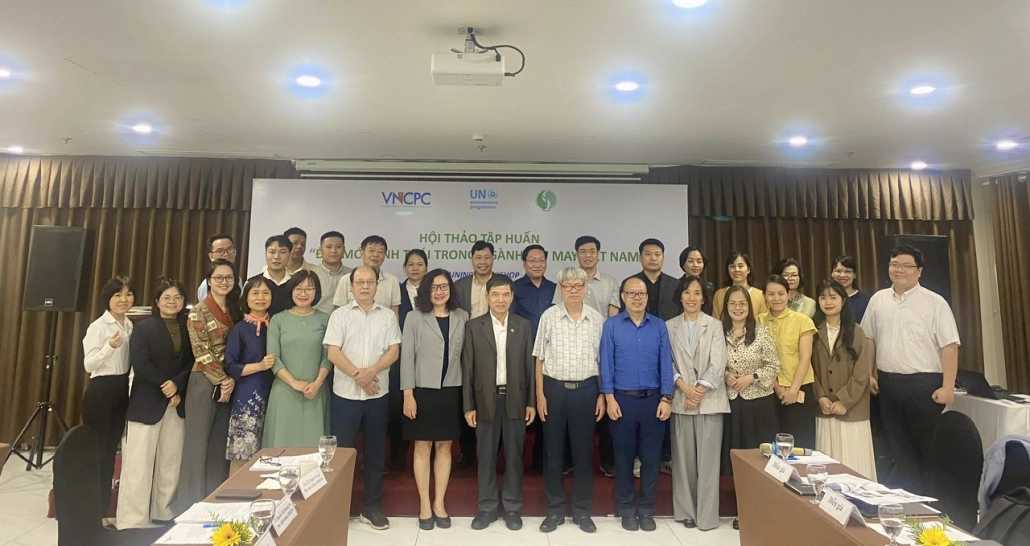
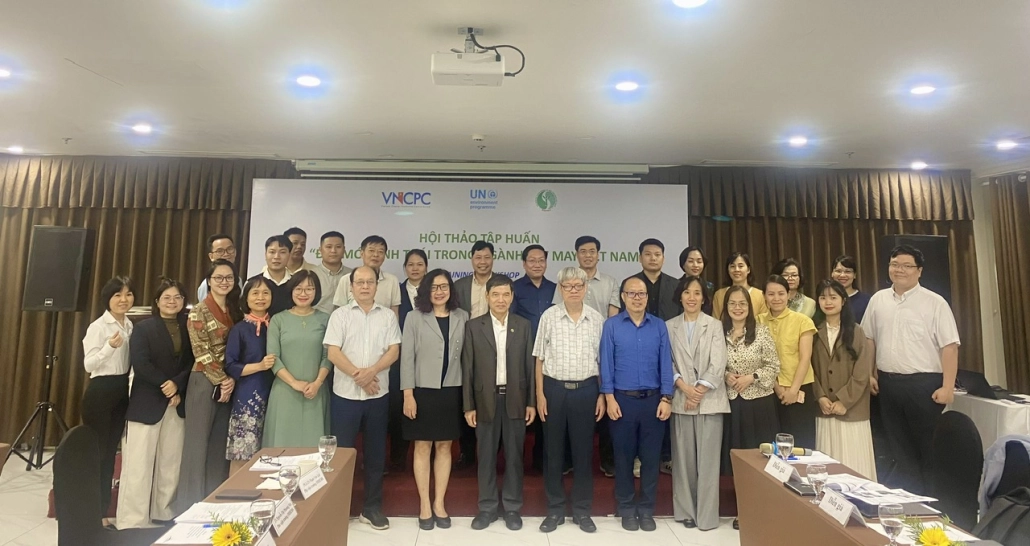
Participants at the workshop are taking a group photo.
The event attracted a wide range of participants, including national and international experts, representatives from research institutions, textile enterprises, and media agencies. It served not only as a platform for information sharing but also as a forum for dialogue, experience exchange, and fostering collaboration among stakeholders across the textile value chain.
In his opening remarks, Assoc. Prof. Dr. Pham Van Loi, Project Director, emphasized that eco-innovation not only helps enterprises comply with environmental regulations but also serves as a key driver for enhancing competitiveness in international markets.
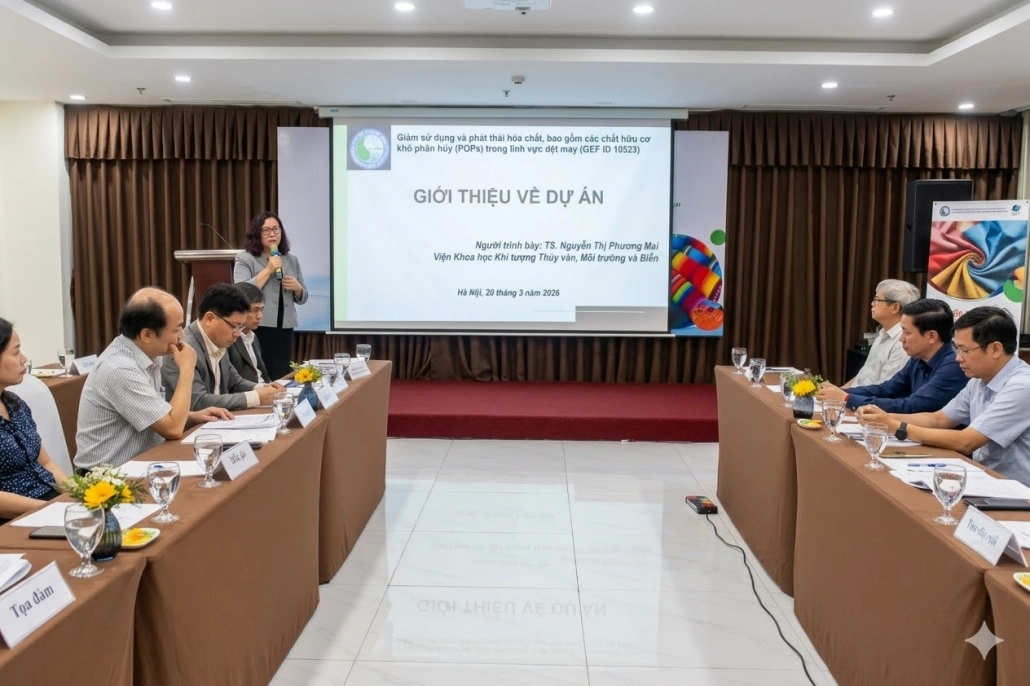
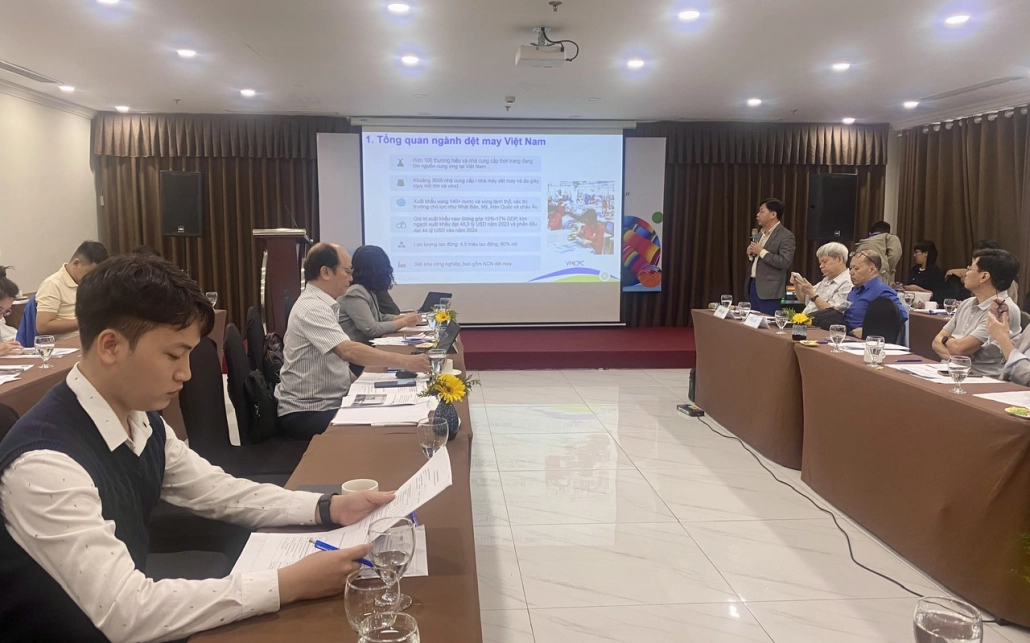
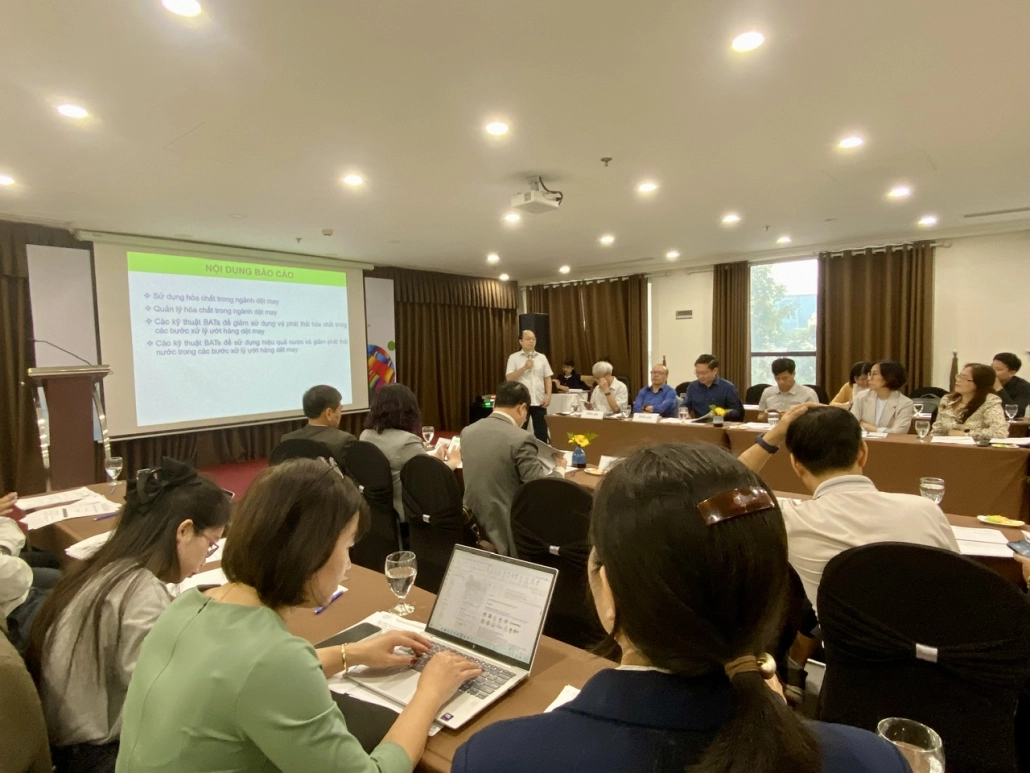
During the workshop, experts from UNEP, the Institute of Meteorology, Hydrology and Environment and Marine Sciences (IMHEMS), ENTEC, and VNCPC delivered insightful presentations on environmental regulations and chemical safety, chemical management practices in the textile industry, eco-innovation approaches, and successful case studies in Vietnam.
A key highlight of the workshop was the introduction of the Eco-innovation Pilot Programme for textile enterprises. The programme offers free-of-charge consulting, training, and technical support to help businesses develop sustainable business strategies, optimize production costs, reduce environmental impacts, and access green finance opportunities, while ensuring full confidentiality of enterprise data.
Through comprehensive support activities, the programme is expected to significantly accelerate the green transition of Vietnam’s textile sector, contributing to reduced hazardous chemical emissions, improved resource efficiency, and better compliance with international environmental standards.
The workshop concluded with strong expectations for enhanced collaboration and new partnership opportunities, contributing to the development of a greener, more sustainable, and more competitive textile industry in Vietnam.
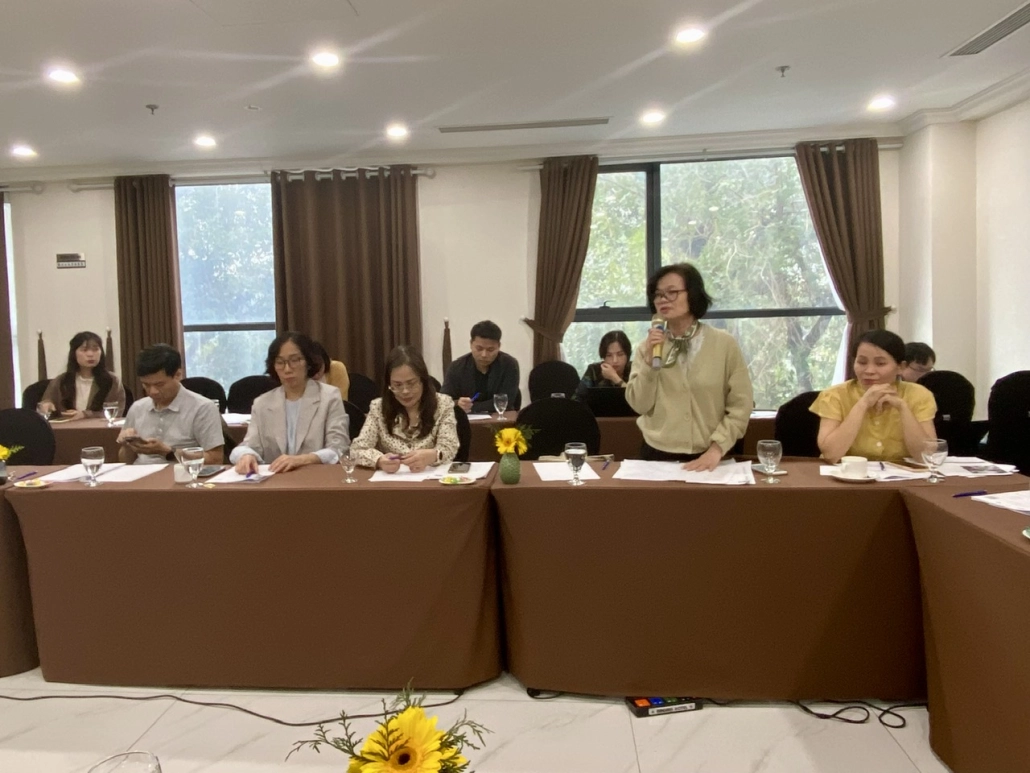
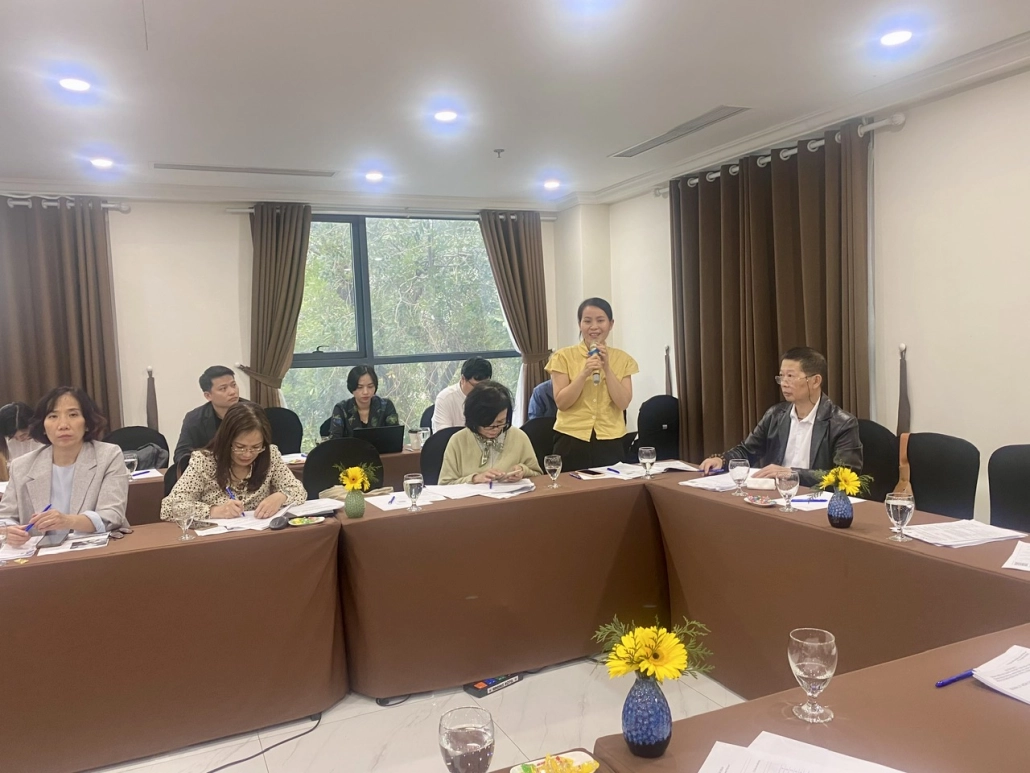
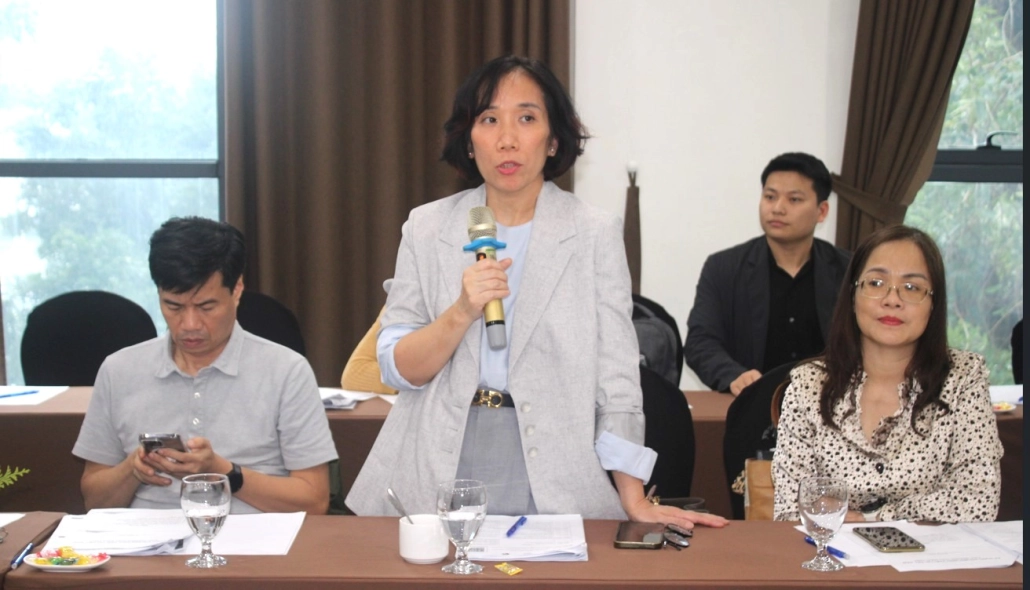
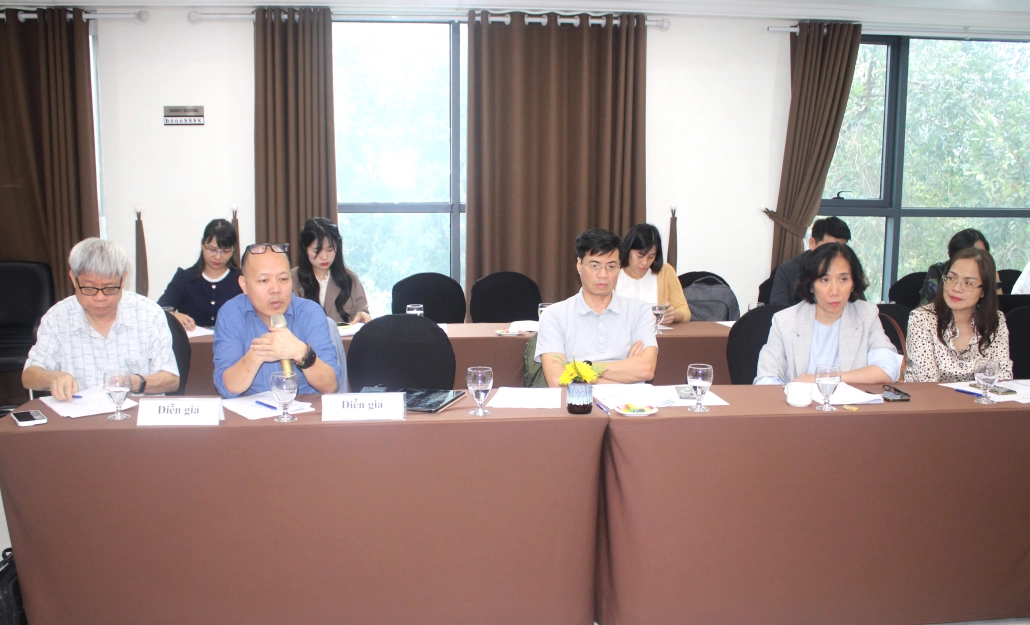
Some photos from the workshop
VNCPC