
Greenwashing: Spotting fake sustainability claims
As climate change becomes an increasingly urgent global challenge, green consumption is emerging as a dominant trend. According to surveys, up to 70% of consumers are willing to pay a premium for environmentally friendly products. However, this growing expectation has also created opportunities for a negative phenomenon known as “Greenwashing.”
The Origin of the Term “Greenwashing”
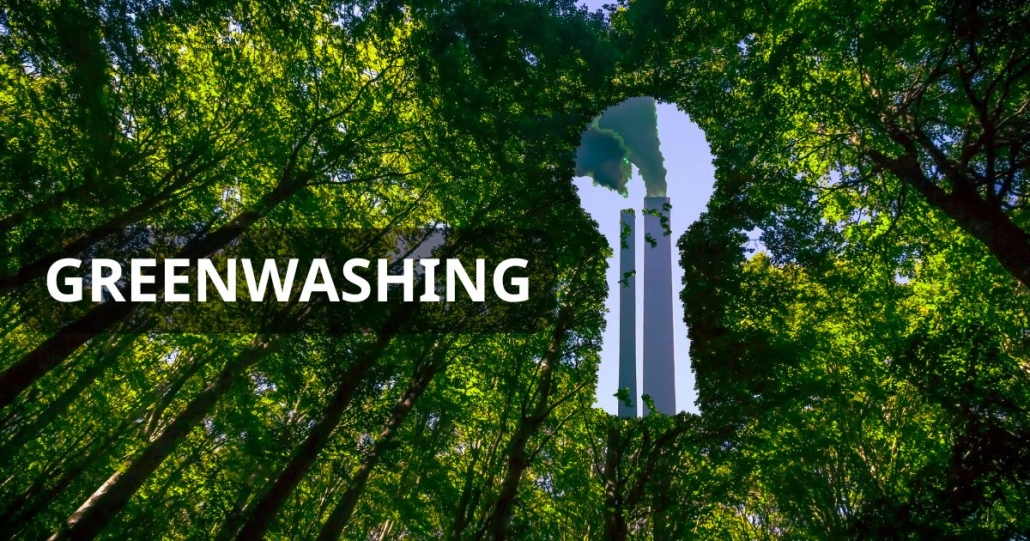
Greenwashing refers to the practice whereby companies exaggerate, misrepresent, or even fabricate environmental commitments in order to create an “eco-friendly” image and attract customers.
The term “greenwashing” first emerged in the 1960s and became more widely recognized after 2015, following the adoption of the Paris Climate Agreement. Many companies pledged carbon neutrality and Net Zero emissions, but some of these commitments were merely marketing claims unsupported by meaningful actions.
Common Forms of Greenwashing Today
Businesses employ a variety of sophisticated tactics to mislead consumers, including:
-
- Using vague terminology: Terms such as “natural,” “environmentally friendly,” and “eco-friendly” are often used indiscriminately without supporting evidence or credible certification.
- Misleading imagery: Green colors or nature-related images (leaves, water droplets, wildlife) are displayed on packaging to create an illusion of sustainability, even when the product contains harmful chemicals.
- Highlighting a single positive attribute: Companies heavily promote one minor improvement (such as recyclable packaging) while concealing environmentally damaging production processes behind the scenes.
- Fake certifications: Self-created labels designed to appear professional but lacking recognition from any reputable independent certification body.
- Misleading data: Publishing vague claims about environmental performance or green growth without clear timelines, methodologies, or scientific evidence.
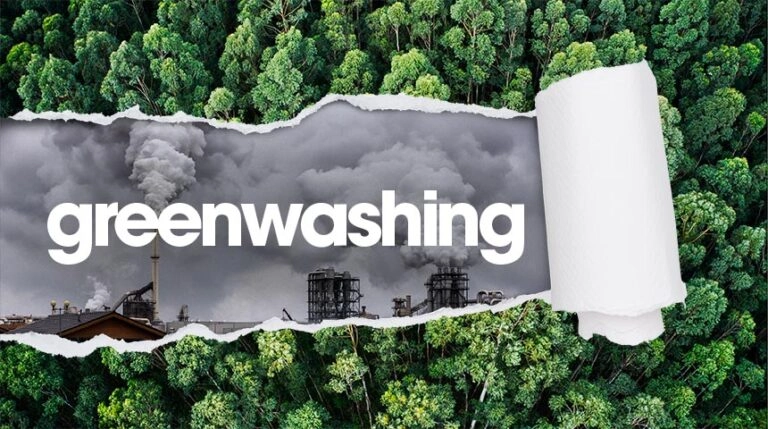
Greenwashing refers to the practice whereby companies exaggerate, misrepresent, or even fabricate environmental commitments in order to build a favorable image and attract customers.
Major Companies Involved in Greenwashing Scandals
Even multinational corporations have not been immune to greenwashing controversies:
-
- Volkswagen (2015): The company became embroiled in a major emissions-cheating scandal after installing software designed to manipulate emissions tests, despite marketing its vehicles as “clean diesel.”
- McDonald’s: Replaced plastic straws with paper alternatives, but the paper straws proved more difficult to recycle than expected, while the production process continued to consume significant resources.
- H&M: Its “Conscious” collection was criticized after reports suggested that up to 96% of its sustainability claims lacked sufficient evidence, while the company’s fast-fashion business model continued to generate substantial environmental impacts.
- Coca-Cola: Faced criticism for promoting its “Life” product line as a greener and healthier alternative, despite containing high sugar levels and despite the company’s continued status as one of the world’s largest plastic polluters.
The Serious Consequences of Greenwashing
Greenwashing is not merely a communications issue – it can lead to significant risks:
-
- Loss of trust: Approximately 66% of consumers express skepticism toward corporate environmental claims. Once trust is eroded, consumers may turn away even from companies that genuinely pursue sustainability.
- Negative impact on purchasing intentions: Research conducted in Vietnam indicates that greenwashing increases consumer skepticism and directly undermines intentions to purchase environmentally friendly products.
- Legal risks: In the European Union, the Green Claims Directive requires businesses to substantiate environmental claims with scientific evidence. In Vietnam, greenwashing practices may be subject to penalties under the Competition Law and the Law on Protection of Consumer Rights.
How Can Consumers Become More Informed?
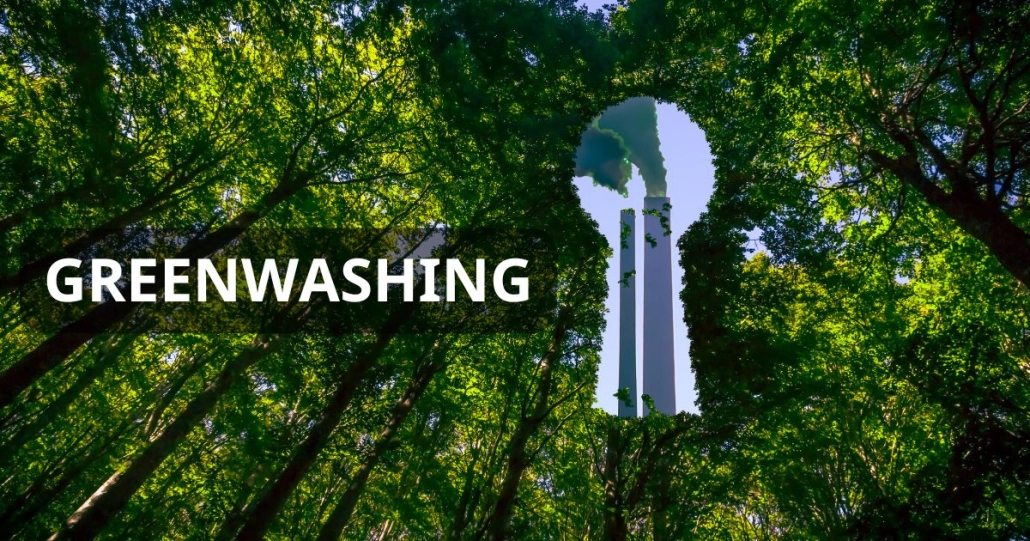
Rather than merely appearing green, businesses should pursue genuine transformation to build long-term sustainable value.
To avoid falling into the greenwashing trap, consumers should:
-
- Read labels carefully: Look for credible certifications such as FSC, Energy Star, or Rainforest Alliance.
- Be cautious of absolute claims: Phrases such as “100% green” or “completely harmless” are often signs of exaggeration.
- Research the company: Evaluate its level of transparency through sustainability reports and supply chain audits.
- Distinguish it from “Greenhushing”: Some companies genuinely perform well but remain silent about their sustainability efforts due to concerns about scrutiny. Honest transparency is often more trustworthy than claims of perfection.
Conclusion: Rather than focusing on appearing environmentally friendly, businesses should pursue meaningful transformation to create long-term sustainable value. A culture of transparency and accountability is the key to protecting the planet while maintaining consumer trust in the modern era.
VNCPC