Businesses must recycle or pay environmental fees based on sales volumes
Government Decree No. 110/2026/ND-CP, recently issued by the Government, introduces a series of new regulations on recycling responsibilities for manufacturers and importers. The policy will officially take effect on May 25, 2026.
Under the new regulations, enterprises placing packaging, batteries, electronic equipment, lubricants, tires, and related products on the market will be required to either carry out recycling activities themselves or make financial contributions to the Vietnam Environmental Protection Fund.
Strengthening Responsibility for Post-Consumer Waste Management
Vietnam currently generates approximately 3.5 million tonnes of plastic waste annually, yet the recycling rate remains at only around 33%. A significant portion of the remaining waste risks leaking into the environment, placing substantial pressure on waste management systems and contributing to environmental pollution.
In this context, Decree No. 110 is considered an important step toward strengthening the legal framework for Extended Producer Responsibility (EPR), requiring enterprises to play a more active role in the collection and recycling of post-consumer products.
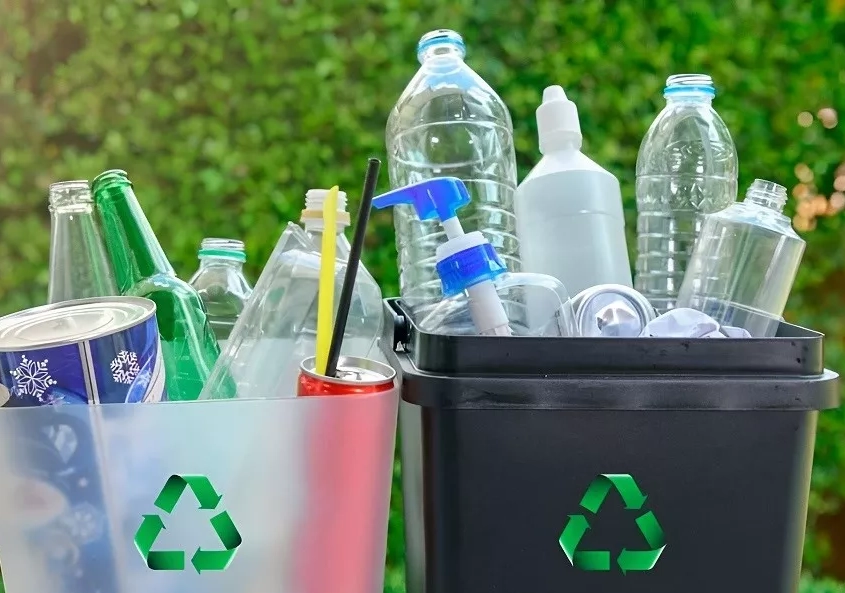
Enterprises must ensure minimum recycling rates based on the total quantity of products placed on the market each year.
Mandatory Recycling Requirements for Multiple Product Categories
The new regulations apply to a wide range of commonly used product categories, including:
- Paper, plastic, metal, and glass packaging;
- Mobile phones, computers, printers, and electronic equipment;
- Batteries, accumulators, tires, lubricants, and similar products.
In addition to direct manufacturers, contract manufacturers and entrusted importers are also subject to recycling obligations.
Specific Recycling Targets Established
Enterprises are required to achieve minimum recycling rates based on the total quantity of products placed on the market each year.
Some notable targets include:
- Aluminum packaging and rigid PET plastic packaging: 22%;
- Paper and carton packaging: 20%;
- Mobile phones: 15%;
- Computers, printers, and photocopiers: 9%;
- Rechargeable batteries and lead-acid batteries: 8–15%.
According to the roadmap, these targets will be increased every three years, starting from 2029.
Enterprises May Choose Financial Contributions Instead of Direct Recycling
The Decree allows enterprises to choose between two options for fulfilling their obligations:
Self-Managed Recycling
Enterprises may conduct recycling themselves, hire professional recycling service providers, or authorize intermediary organizations to collect and recycle products on their behalf. Recycling performance reports must be submitted before April 1 each year.
Financial Contribution
If enterprises do not directly undertake recycling activities, they must make financial contributions to the Vietnam Environmental Protection Fund. The contribution amount is calculated based on the volume of products placed on the market and the corresponding recycling cost norm. The payment deadline is April 20 each year.
No Recognition of “Token” Recycling Activities
One notable feature of Decree No. 110 is its clear requirement regarding recycling outputs. Recycling activities must generate materials or products that can be further utilized.
For example, plastic packaging must be recycled into commercial-grade plastic pellets or new products, while glass waste from electronic equipment must be processed into raw materials for construction material manufacturing.
Simple treatment methods such as shredding or incineration for fuel recovery will not be recognized as fulfilling recycling obligations.
Exemptions for Small Enterprises
Certain entities are exempt from recycling obligations, including enterprises with annual revenues below VND 30 billion for covered product groups, and products manufactured for export or temporarily imported for re-export.
Decree No. 110 is considered an important step toward promoting the circular economy and enhancing corporate environmental responsibility in Vietnam.
VNCPC