Vietnam officially launches its domestic carbon exchange
On June 29, 2026, Vietnam officially launched its domestic carbon exchange, marking a significant milestone in the development of the country’s carbon market and its transition toward a low-carbon economy.
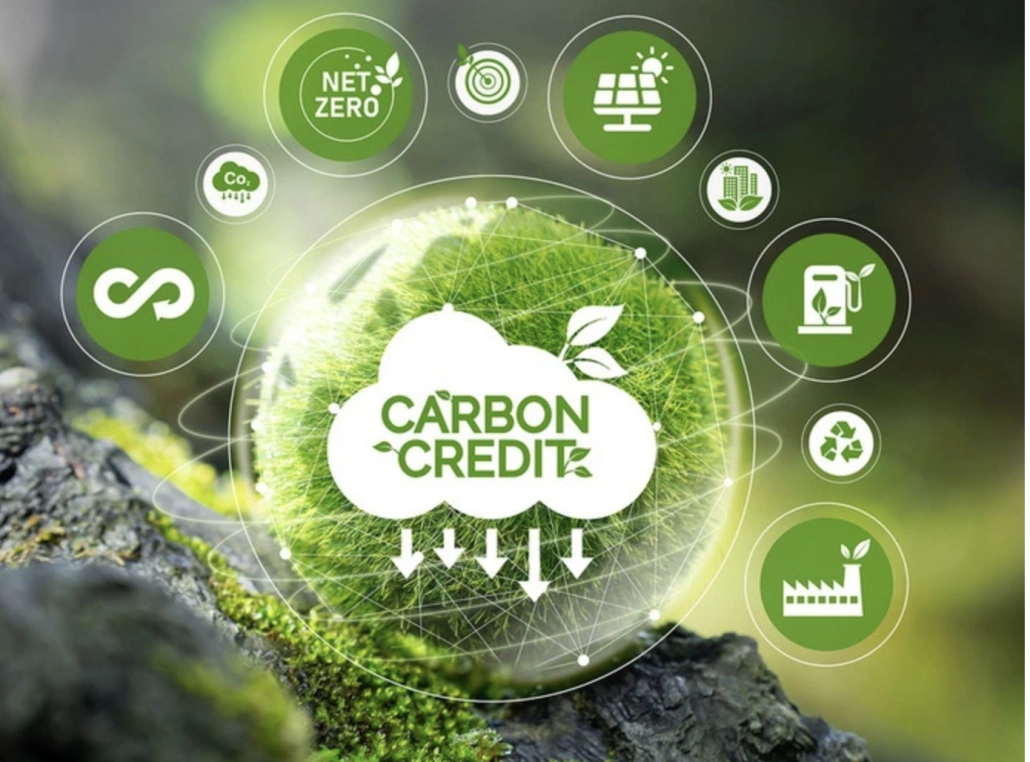
During the pilot phase, tradable assets on the exchange include greenhouse gas (GHG) emission allowances and carbon credits. The establishment of the carbon exchange not only creates a transparent trading mechanism but also enables carbon pricing based on market principles, encouraging businesses to invest in cleaner technologies and emission reduction solutions.
What does the carbon exchange mean for businesses?
Traditionally, greenhouse gas emissions have primarily been viewed as a compliance obligation. However, with the establishment of the carbon market, emissions are no longer merely a “cost” but can become an economic asset with tangible market value.
For businesses allocated emission allowances, effective emission reduction creates opportunities to retain unused allowances or participate in carbon trading in accordance with applicable regulations. Conversely, companies exceeding their allocated limits may purchase additional allowances or use eligible carbon credits to meet compliance requirements. This market-based mechanism provides strong incentives for businesses to invest in cleaner technologies, improve energy and resource efficiency, and enhance long-term competitiveness.
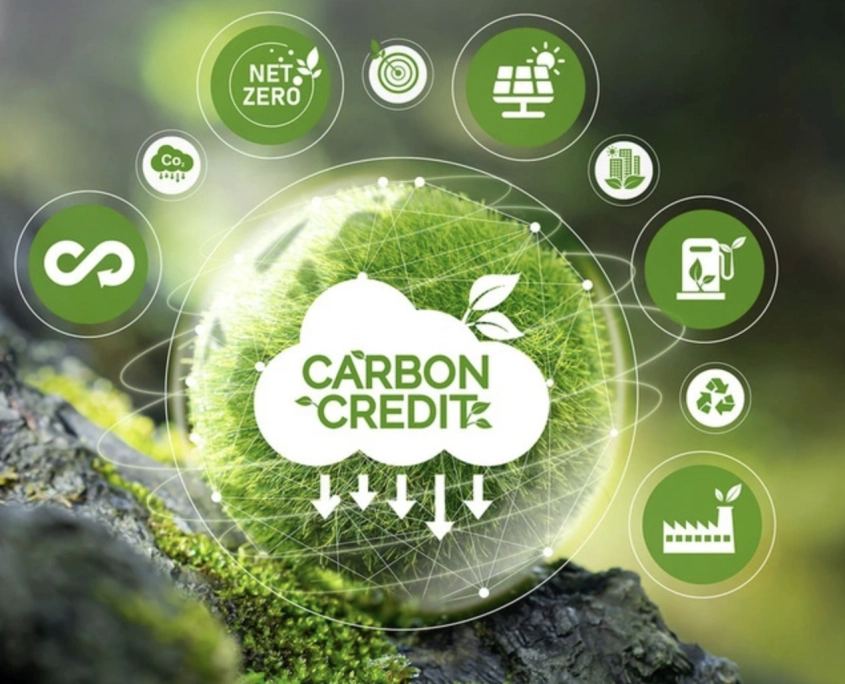
With the establishment of the carbon market, greenhouse gas emissions are no longer viewed solely as a cost, but also as an economic asset with tangible value.
How should businesses prepare?
The launch of the carbon market also means that businesses need to take a more proactive approach to emissions management. Key priorities include:
- Conducting greenhouse gas inventories and managing emissions in accordance with regulatory requirements.
- Monitoring and improving the efficiency of energy, water and raw material use.
- Developing practical emission reduction plans aligned with production conditions.
- Exploring opportunities to generate carbon credits through emission reduction or carbon removal projects.
- Gradually integrating ESG and sustainability principles into corporate strategy and business operations.
Early preparation will not only help businesses comply with emerging regulations but also strengthen their competitiveness, particularly as international markets increasingly focus on the carbon footprint of products.
New opportunities in the green transition
The domestic carbon exchange is an important market-based instrument supporting Vietnam’s commitment to achieving net-zero emissions by 2050. More importantly, it enables businesses to shift from a compliance-driven approach to a value-creation mindset, transforming emission reduction efforts into economic benefits and sustainable competitive advantages.
Against this backdrop, investing in solutions such as Resource Efficient and Cleaner Production (RECP), energy audits, greenhouse gas inventories, ESG implementation and Net Zero roadmaps will enable businesses not only to comply with new regulatory requirements but also to strengthen their position within increasingly sustainable global supply chains.
VNCPC